HARMONY Vogue Hawaiian Guitar
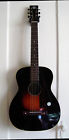
( Brand: Harmony ), ( Model: VOGUE ), ( Part Type: Guitar ), ( Size: 3/4 ), ( String Configuration: 6 String ), ( Model Year: 1940 ), ( Series: H1163 ), ( Dexterity: Right-handed ), ( Body Material: Birch ), ( Body Type: Small Dreadnought ), ( Soundboard Style: Flat Top ), ( Country/region Of Manufacture: United States ), ( Style: Roundneck Conversion )
Review HARMONY Vogue Hawaiian Guitar
1940 Harmony Vogue Hawaiian Solid Body Electric Soprano Guitar - A Vintage Treasure of Authentic Hawaiian Sound
The 1940 Harmony Vogue Hawaiian electric soprano guitar is a remarkable vintage instrument, brimming with history, character, and the unique, mellow sound of classic Hawaiian music. This solid body electric soprano guitar is an excellent addition to any vintage guitar collection, a special piece for serious collectors or an inspiring and authentic instrument for musicians seeking to explore the traditional sounds of Hawaiian music.
Background and History:The 1940 Harmony Vogue Hawaiian guitar, manufactured by the Harmony company, is a rare find in the world of vintage electric instruments. The Harmony company, founded in Chicago in 1892, was one of the most prolific guitar manufacturers in the United States. They produced numerous models, including the Hawaiian line, which gained popularity among musicians in the 1930s and 1940s for its distinctive tone reminiscent of the steel strings used in traditional Hawaiian music. This guitar represents a piece of musical history, reflecting the rich cultural landscape of the time.
Design and Construction:The Harmony Vogue Hawaiian guitar boasts an impressive design, with a compact, solid body made of high-quality wood. Its unique appearance can be attributed to its use of contrasting dark and light wooden finishes, creating an attractive visual appeal. The guitar features a beautiful, glossy finish, making it both an aesthetically pleasing and durable instrument.
The soprano scale length guitar sports a standard soprano neck, with 15 frets and grooved white binding on the neck. The instrument comes equipped with six strings, strung in a distinctive manner to mimic the sound of traditional Hawaiian lap steel guitars.
Assorted hardware adorns the guitar, including premium gold-plated tuning pegs, a tailpiece, and a single disc covered pickup with double-shielded grounded single coil design. The volume control and tone control knobs are conveniently located near the lower neck, allowing easy access for adjustments during performance.
Sound and Tone:The 1940 Harmony Vogue Hawaiian guitar produces an exceptional and distinctive tone. The combination of the solid body design, vintage single coil pickup, and unique string configuration results in a warm and mellow sound with a subtle twang, making it an ideal instrument for Hawaiian-style music. Its compact size and lightweight nature provide ease of portability, and the short scale length and slim neck make it an appealing choice for players with smaller hands or for those seeking to develop their finger dexterity.
Condition and Maintenance:This vintage 1940 Harmony Vogue Hawaiian guitar comes in good condition, with some signs of regular use and wear apparent on the body and finish, adding to its distinctive character. The instrument has been thoroughly inspected, serviced, and set up to ensure optimal playability. It's essential to keep the guitar clean and maintain proper humidity levels to preserve its wood and finish. A hard shell case is included to protect the instrument during transportation and storage.
In conclusion, the 1940 Harmony Vogue Hawaiian guitar is a valuable treasure for musicians and collectors alike, showcasing the rich history and unique sound of vintage Hawaiian music instruments. Its beautiful appearance, premium construction, and captivating tone are sure to inspire generations of musicians to explore this authentic and cultural sound.
A Comprehensive Analysis of Buying a 1940 Harmony Vogue Hawaiian Guitar: Pros, Cons, and Conclusion
The 1940 Harmony Vogue Hawaiian guitar is a cherished vintage instrument known for its unique sound and distinctive appearance. Here's a comprehensive analysis, including pros, cons, and a conclusion, to help potential buyers make an informed decision:
Pros:1. Authentic Hawaiian Sound: The 1940 Harmony Vogue Hawaiian guitar offers a unique and authentic Hawaiian sound that sets it apart from modern counterparts. Its steel strings and open-back design contribute to a mellow yet bright sound with excellent projection and resonance.
2. Durability: Being a vintage instrument, the 1940 Harmony Vogue Hawaiian guitar is constructed with high-quality materials, such as solid mahogany neck, solid Sitka spruce top, rosewood fretboard, and brass hardware. These materials contribute to the guitar's durability, allowing it to withstand the test of time.
3. Aesthetic Value: The vintage appearance of the 1940 Harmony Vogue Hawaiian guitar is a significant draw for many buyers. Its floral inlays, beautiful sunburst finish, and ornate body binding add to its visual appeal and make it a unique addition to any guitar collection.
4. Playability: The scale length of a Hawaiian guitar is usually shorter than a traditional acoustic guitar, making it more comfortable for players with small hands or those who prefer the/, Slack key tuning, or ukulele playing.
5. Rare and Collectible: Due to its age, the 1940 Harmony Vogue Hawaiian guitar is a highly collectible instrument. Its scarcity contributes to its value and makes it a desirable acquisition for collectors and vintage guitar enthusiasts.
Cons:1. Cost: The rarity and desirability of the 1940 Harmony Vogue Hawaiian guitar often come with a premium price tag. Depending on the condition and market demand, these instruments can sell for upwards of $3,000 or even more.
2. Maintenance and Repairs: Vintage instruments generally require more attention and maintenance due to their age and fragility. Cracks, frets, or other issues may require professional repairs or restoration, which can be expensive and time-consuming.
3. Limited Tone Variability: The open-back design and steel strings of the 1940 Harmony Vogue Hawaiian guitar do not offer the same tonal versatility as solid-wood acoustic guitars or nylon-string classical guitars. This can limit the instrument's appeal for players who prefer more versatile or expressive sounds.
4. Potential Structural Issues: With age comes the risk of structural issues and damage, such as cracks, loose or missing parts, or other problems that may affect the instrument's playability and tone.
Conclusion:The 1940 Harmony Vogue Hawaiian guitar is an exceptional instrument that offers a unique and authentic Hawaiian sound, durability, and aesthetic value. However, its high cost, potential maintenance issues, limited tone variability, and potential structural problems may be significant cons for some potential buyers. To make an informed decision, it is crucial to thoroughly research prices, conditions, and options for the model in question and weigh the pros and cons against personal preferences and budget before making a purchase.
Recommendation:The 1940 Harmony Vogue Hawaiian guitar is recommended for vintage guitar enthusiasts, collectors, and players looking for an authentic Hawaiian sound and unique weapon to add to their collection. Those on a budget or seeking versatility might want to consider more affordable alternatives or alternative guitar types. Always consider condition, market prices, and the potential for ongoing maintenance when deciding to purchase a vintage instrument like the 1940 Harmony Vogue Hawaiian guitar.
Details:
The complete number is 0816h1163. This one runs up to the sound hole. The last 2 are small cracks on sides which stable and don't need to be addressed.
Here I have a vintage Harmony Vogue guitar. This guitar also sounds great and has a loud voice that projects.
Amazingly the original pick guard is still in great shape and you can see painted Vogue logo on bottom portion. This guitar is model number h1163 as designated in the sound-hole. The first being underneath pick guard. The conversion was done very nicely and action stands a bit below 1/8 at octave.
Even with this beefy neck you can comfortably play up to the 11th fret. It has been glued and is secure. It started life as a square neck acoustic guitar meant for playing slide and has since been converted to roundneck configuration so can be played like regular.
There are several repaired cracks in the body. There is also an old crack on the lower back of guitar that was repaired previously and not moving anywhere.
specifications acoustguitmusi:
- brand: Harmony
- model: Vogue
- part type: Guitar
- size: 3/4
- string configuration: 6 String
- model year: 1940
- series: H1163
- dexterity: Right-handed
- body material: Birch
- body type: Small Dreadnought
- soundboard style: Flat Top
- country/region of manufacture: United States
- style: Roundneck Conversion
Ratings:
- Hope to deal with you again. Thank you. 02-07-18
- A big THANKYOU from Shonkyguitars 02-08-18
- Quick response and fast payment. Perfect! THANKS!! 02-14-18
- Quick response and fast payment. Perfect! THANKS!! 02-21-18
- thanks for buying and check back 02-19-18
General acoustguitmusi:
- musical instrumentsgear > guitar musical instruments gear > acoustic guitar
- in stock: Yes
- condition: Used
Shipping acoustguitmusi:
- type: Flat
- handling: 3 days
- cost: $50.0
Seller acoustguitmusi:
- zipcode: 90001
- city: Los Angeles, California
Offer acoustguitmusi:
- best offer: true
- Sold: 0
- quantity: 1
- bids: 0
- Started: February 27, 2018, 9:32 pm
Returns acoustguitmusi:
- policy: no returns
Payments acoustguitmusi:
- PayPal
Harmony Is Similar To:
- 01202 Harmony Youth Guitar (61.8% similar) In new condition. Children's guitar...(September 21st, 2018)
- 01219 Star Harmony Kids Acoustic Guitar Inches Sunburst Color (37.8% similar) Barely used child's guitar great condition almost perfect handcrafted quality steel reinforced...(February 26th, 2018)
- 01249 Harmony Parlor Acoustic Guitar Sunburst Finish Model (39.1% similar) This guitar is being sold as and pictured, the has scuffs, chips, dust wear. It needs new strings...(January 16th, 2019)
- 01250 Harmony Acoustic Youth Size Guitar Strings (49.4% similar) Harmony acoustic guitar youth sized 6 strings pick guard still has plastic cover previously owned good condition: some light scratches on front and back. One short deeper scratch on upper back...(October 22nd, 2018)
- 01538 Harmony Acoustic Guitar Rh Size Blue See Description (41.4% similar) Your satisfaction is our number one goal. What is the history of item. 875, WI shipping carriers: sure post, ups USPS 1-6 day. Protect your product with a consumer priority service warranty. Whats included. Of the time if its pictured included. The bridge is pulling up slightly from guitar being ...(September 29th, 2018)
- 0301 Harmony Size Travel Guitar Red Sunburst (49.3% similar) Overall good condition with strings, the top part of sound hole is bowed in a little, tried to capture photo. Harmony guitar model 0301...(June 30th, 2018)
- 1515fc Harmony Acoustic Guitar Series Model Full Size Solid Tight (38.3% similar) Pic 6 points out a surface scratch indentation on the sound board 1 inch from bottom edge. Items are always properly packed for shipping. Body is sound solid in this spot, but cracked. And yes, 2 strings are missing but most would re-string upon any guitar purchase. Harmony full size acoustics ...(May 26th, 2018)
- 5411h12272 Harmony Vintage Model String Acoustic Guitar Made In Usa (43.8% similar) 1975 Harmony 12 string guitar - more to come...(August 9th, 2018)
- 627412 Harmony Vintage Acoustic String Small Wooden Guitar (52.9% similar) Produced by the Harmony company, Chicago, USA. Vintage Harmony acoustic 4 string small wood en guitar, all proceeds from the sale of this item go to charity. It is a nice little guitar does have some scuffs, scratches, nicks and wood wear for age of. Patent please see images for the condition and ...(February 9th, 2019)
- 7130h6365 Harmony Vintage Grand Concert Acoustic Guitar Brown Burst (43.8% similar) Vintage 1970 S Harmony grand concert acoustic guitars H6341 tan brown burst. Shipped with USPS priority mail. All birch wood body has a big, nice tone and the action is very good it stays in tune. I love vintage guitars and am selling this one Beck like a smaller-bodied guitar although happy to ...(January 20th, 2019)
- F-70 Harmony Musicland Acoustic Parlor Guitar Stella Copy Usa Made Nice (38% similar) Please visit my other offers. The frets look good with hardly any wear. Expect some minor scuffs and scratches. Dimensions: wide at the widest point, long this looks like a standard sized kids beginner guitar.: this is a nice 1960 S acoustic parlor guitar branded music land. The guitar has been ...(June 4th, 2018)